Heritage
The story of Bénédictine has been shaped by heritage, tradition and a constant pursuit of excellence.
A legacy through time
From its monastic origins to the safeguarding of its secret recipe, each chapter has contributed to the identity of the House.
HISTORY
Benedictine historical timeline
1001
—
1510
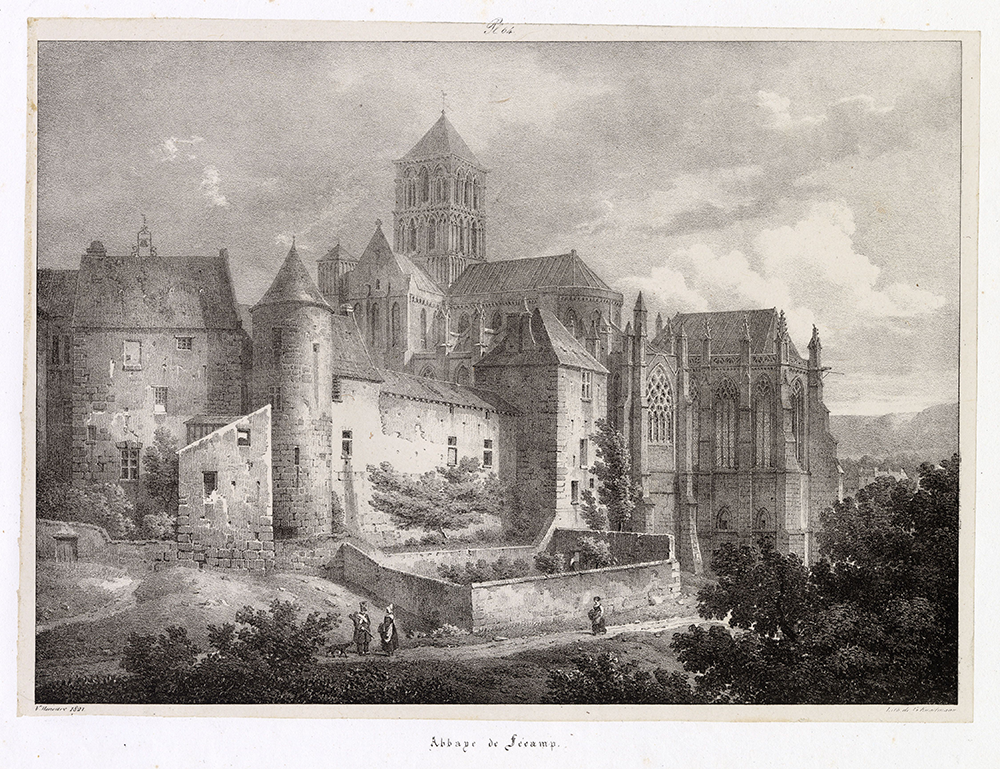
The Abbey of Fécamp
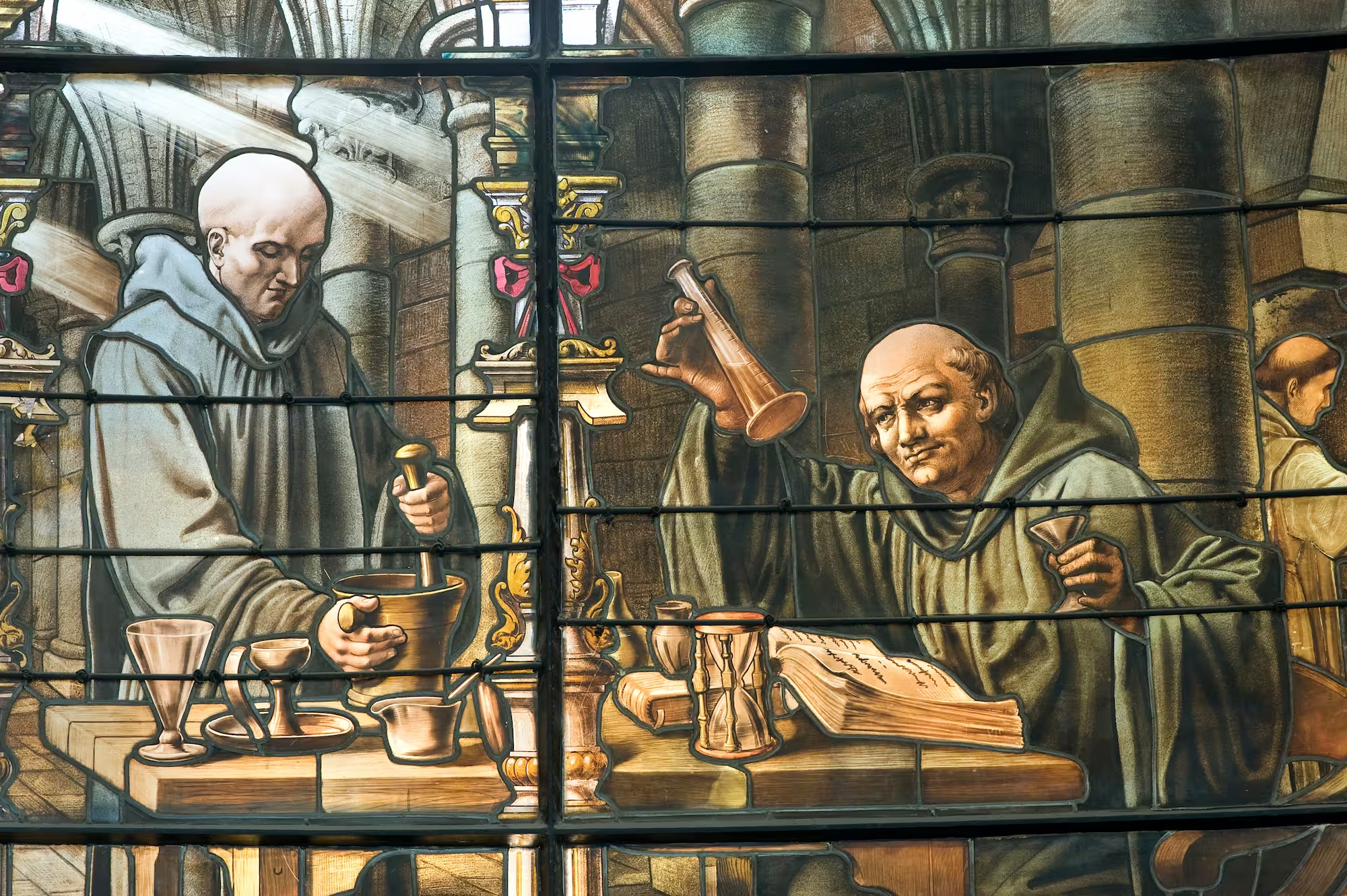
Founded in 1001 by Richard II, Duke of Normandy, the Benedictine Abbey of Fécamp established itself as a major spiritual centre. In 1510, the Benedictine monk Dom Bernardo Vincelli is said to have created an elixir made from plants and spices, whose renown reached the French court: Francis Ist is said to have tasted it during his visit in 1534.
The secret recipe
In 1792, the French Revolution led to the closure of the Abbey of Fécamp and the dispersal of the monks, who preserved certain essential elements of its heritage. Before his death in 1848, the last monk, Dom Louis‑Ambroise Blandin, passed on the recipe manuscript, enabling Alexandre Le Grand to inherit it a few years later.
1792
—
1848
1863
—
1868
The renaissance of Bénédictine liqueur
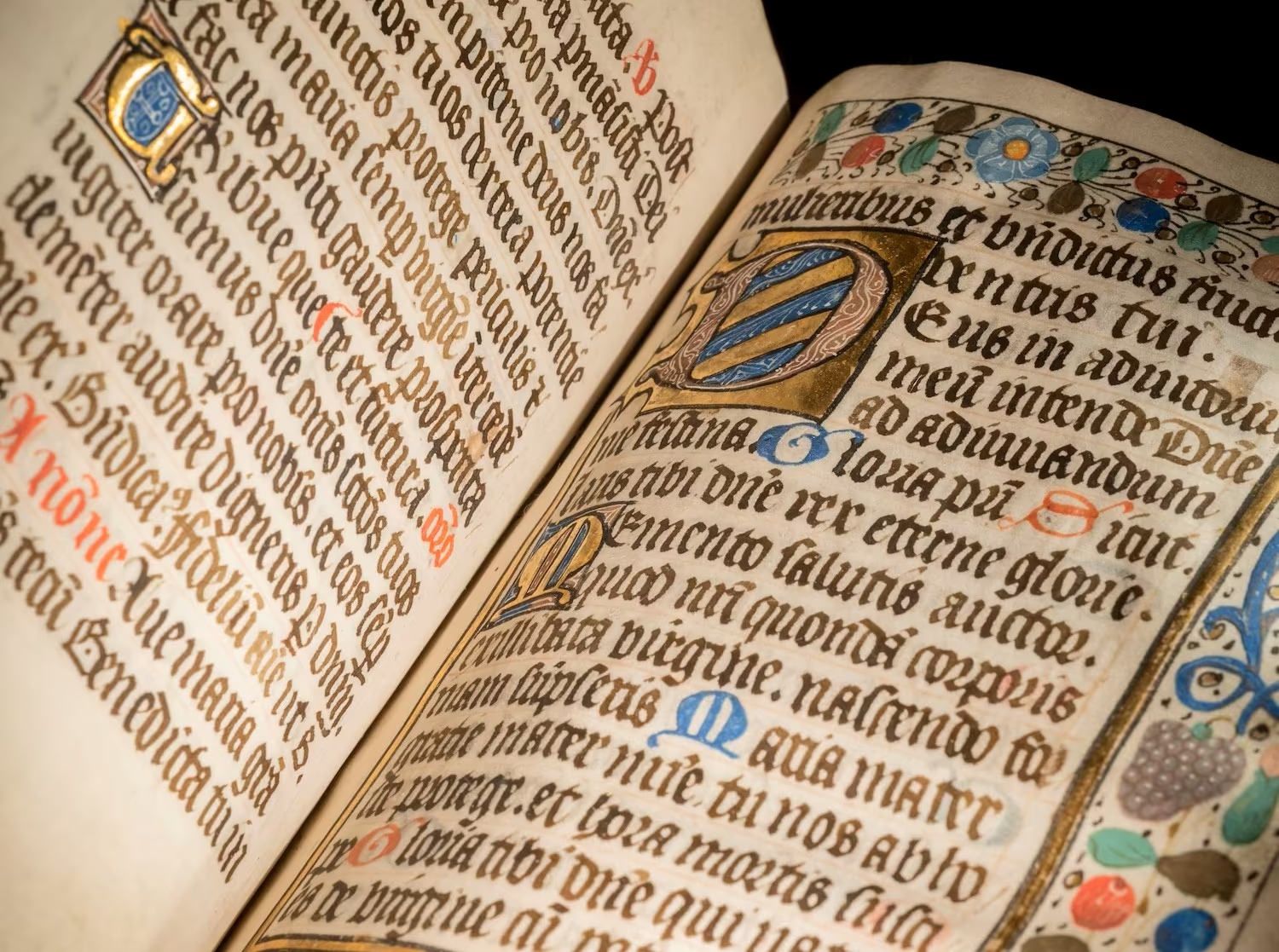
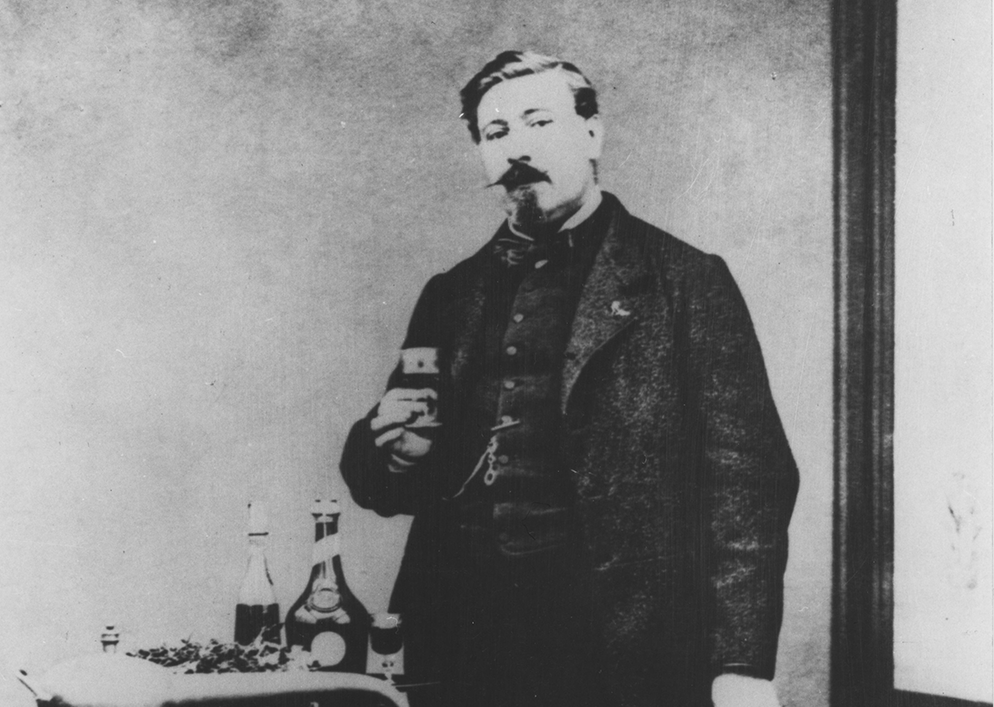
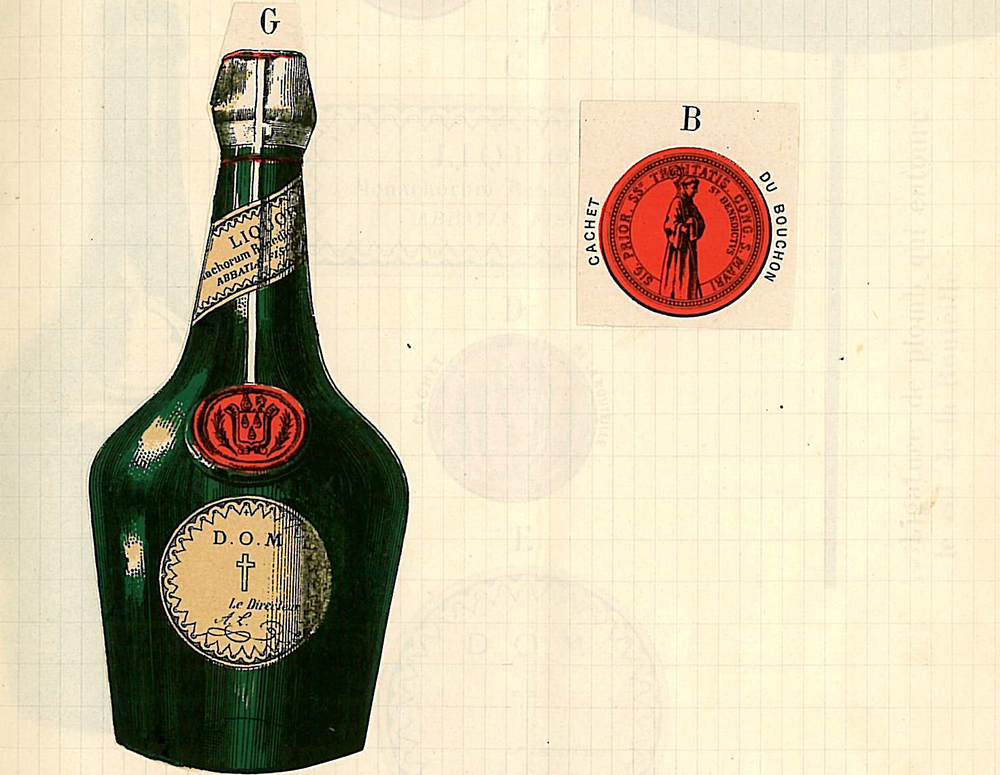
In 1863, Alexandre Le Grand rediscovered the recipe manuscript and, after numerous trials, managed to recreate the elixir of Dom Bernardo Vincelli. By 1864, he had launched Bénédictine, unveiling its iconic bottle, securing the trademark, and achieving swift recognition, crowned by a gold medal at the 1868 Le Havre International Exhibition.
Expansion
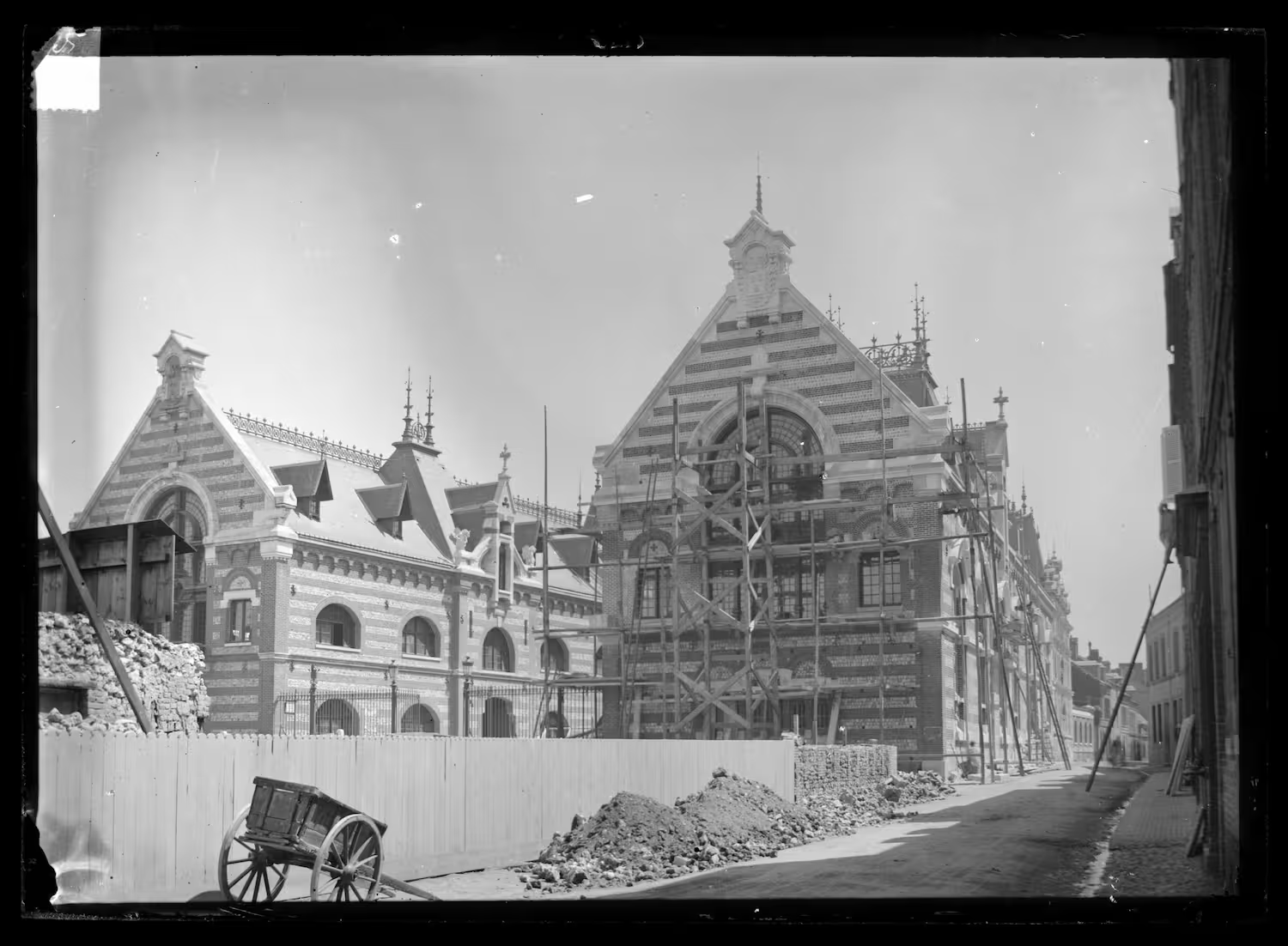
From the 1870s onwards, Bénédictine entered a period of rapid expansion. Alexandre Le Grand was appointed official supplier to Emperor Napoleon III, while the liqueur’s renown grew in France and beyond. He opened his art collection to the public, founded the museum, and laid the foundations for the company’s long‑term development with its incorporation in 1876, followed by its listing on the Paris Stock Exchange in 1882.
1870
—
1882
1887
—
1892
End of a reign
From 1887 onwards, Bénédictine continued to strengthen its influence and safeguard its legacy, marked by a major victory against counterfeiting in the United States and the inauguration of a new distillery in 1888. Despite the fire of 1892, the site was rebuilt and modernised. In 1898, following the death of Alexandre Le Grand, his son Marcel succeeded him at the helm of the company.
La Belle Époque
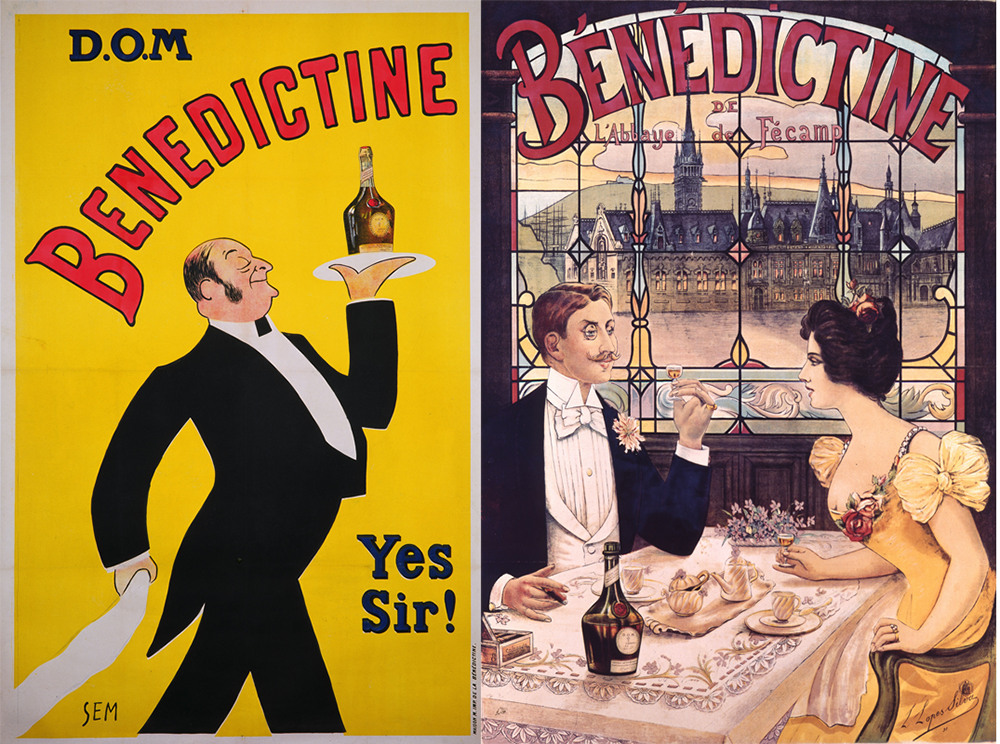
At the dawn of the 20th century, Bénédictine emerged as a cultural icon, carried by iconic posters signed by artists including Lopes Silva, Cappiello and Alfons Mucha from 1898 onwards. In 1900, the opening of the new museum shaped le Palais Bénédictine as we know it today, while the brand’s international stature was firmly established.
1898
—
1900
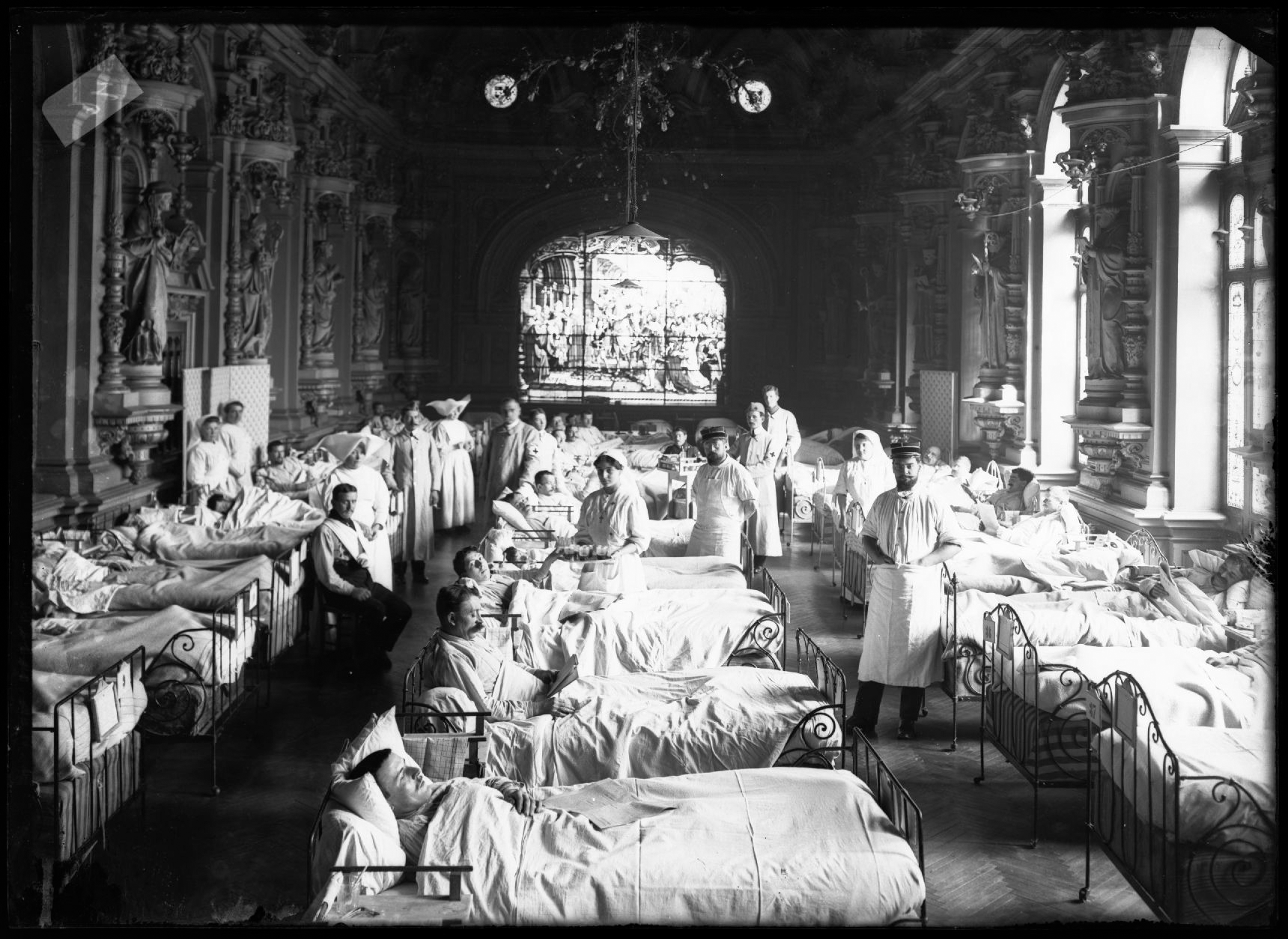
1914
—
1944
The trials of war
Between 1914 and 1944, Bénédictine faced a series of trials shaped by war, prohibition and occupation, including the transformation of the museum into a hospital and the protection of its collection through repeated relocations. Despite these challenges, the House preserved its heritage and maintained continuity until the return of the artworks and the Liberation of Fécamp.
Les Trente Glorieuses and a new era
From the 1950s onwards, Bénédictine entered a new era marked by cultural innovation, with the opening of a contemporary art museum. While celebrating its heritage, le Palais continued to develop and affirmed its global reach, culminating in the celebration of the recipe’s 500th anniversary in 2010.
1951
—
2010
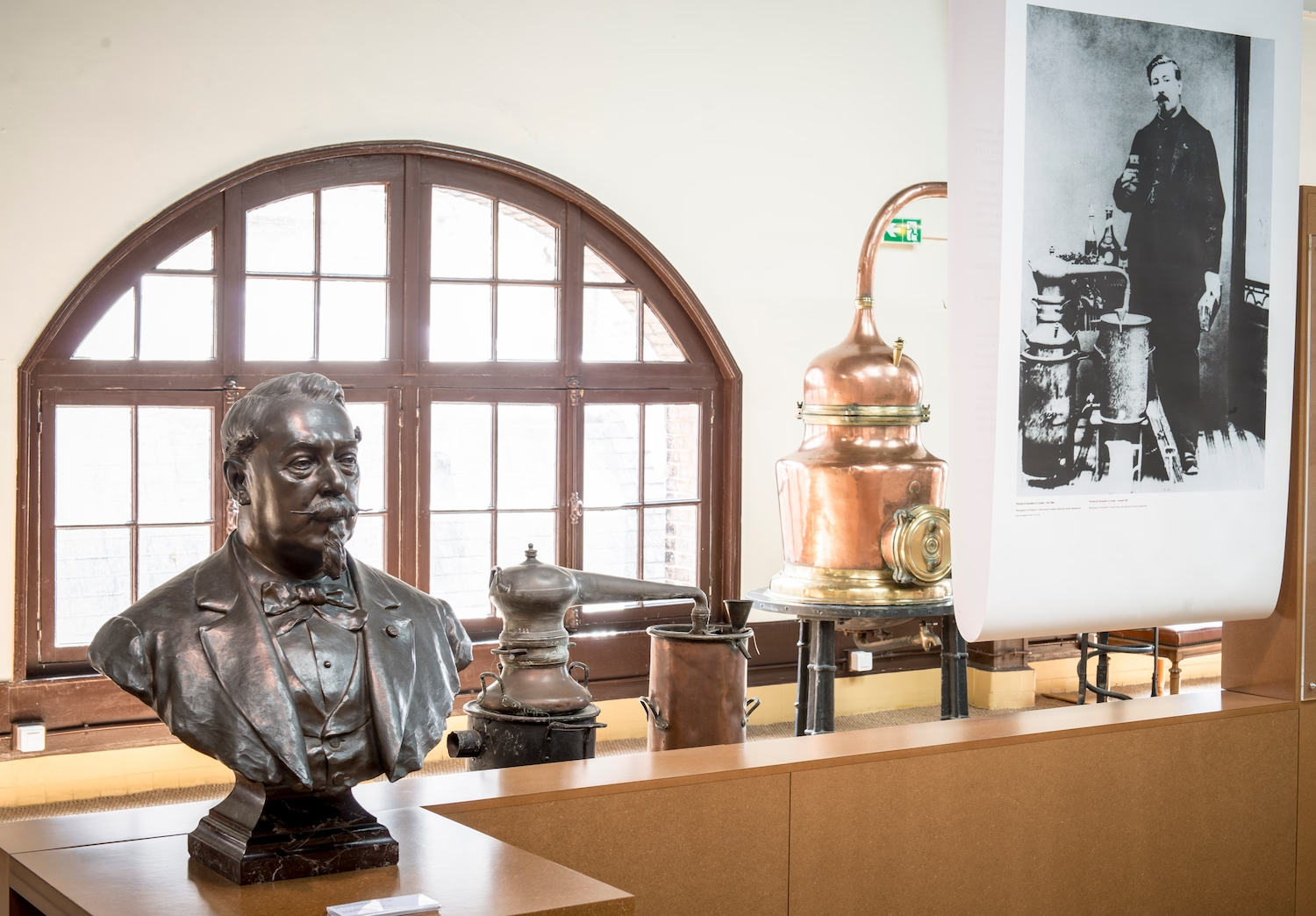
« J’ai voulu recréer un élixir où la tradition rencontre l’excellence. »
Alexandre le grand

They have visited le Palais
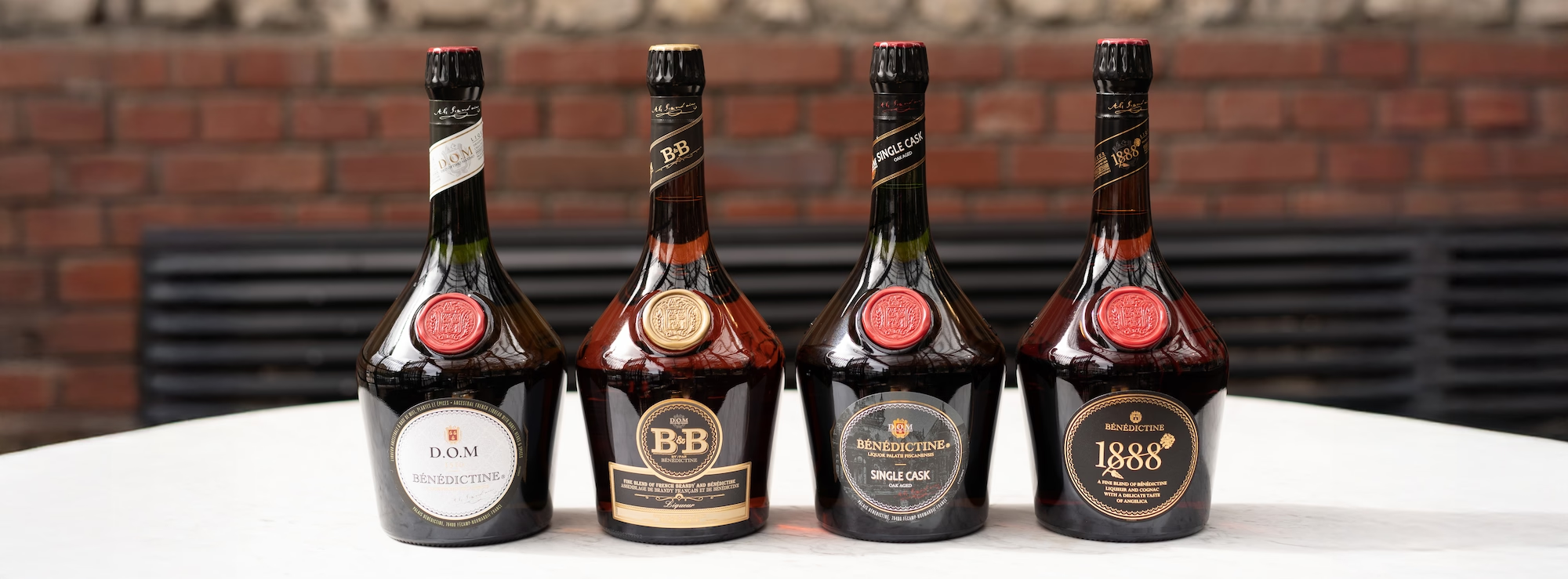
The collection
The secret recipe of Bénédictine is said to date back to 1510 and is based on local plants enhanced by oriental spices.